When buying a home in Edmonton, certain features and aging components can make obtaining home insurance difficult or require repairs before coverage is approved. Here are five specific things buyers should watch for so that the home inspection doesn’t come with major surprises!
1. Homes Built Between 1900 and 1960: Foundation Issues
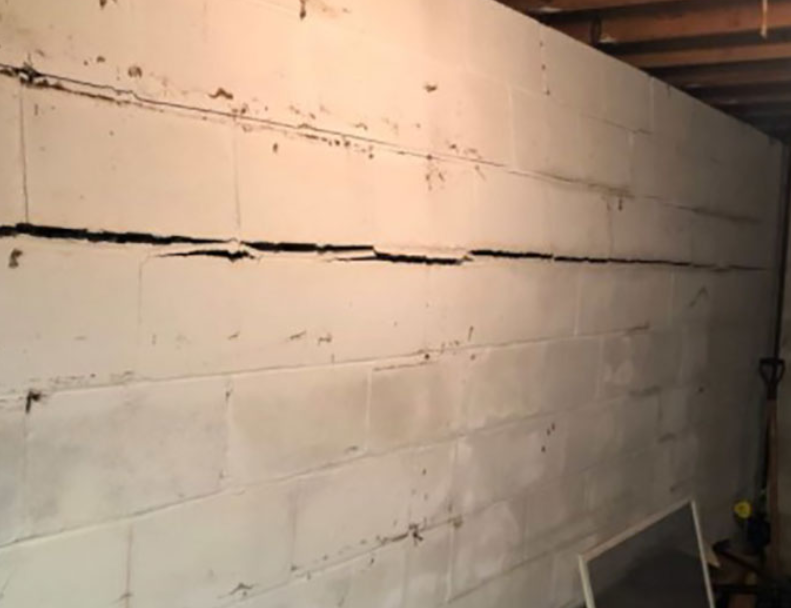
Horizontal foundation crack. Not all are so obvious!
While all ages of home may have foundation issues caused by settlement, moisture, or deterioration over time, it is much more likely in a home built prior to 1960. These issues can be difficult to spot before a home inspection, particularly when the foundation is concealed behind finished basement walls.
Look for horizontal cracks in exposed basement foundation walls or foundation walls that appear to be leaning inward. Significant structural concerns may affect insurability, can be extremely expensive and invasive to repair, and require further assessment by a structural engineer.
2. Homes Built Between 1970 and 1976: Aluminum Wiring
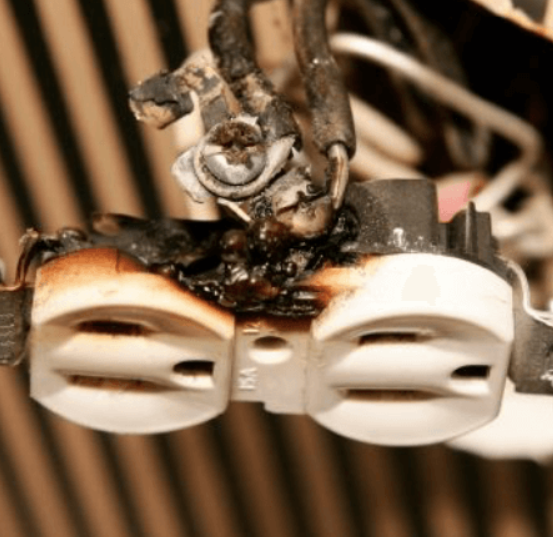
Aluminum wiring causing a short in an electrical outlet.
Homes built during this period are particularly likely to contain aluminum wiring. Improper or deteriorating connections can overheat and create a fire hazard.
Most insurers restrict coverage unless the wiring is professionally assessed or upgraded. One common solution is pig-tailing, where short copper wires are connected to the existing aluminum wiring using approved connectors. A qualified electrician should complete this work, providing a letter a completion that can be provided to the insurance company.
3. Homes Built in the 1990s: Poly-B Plumbing
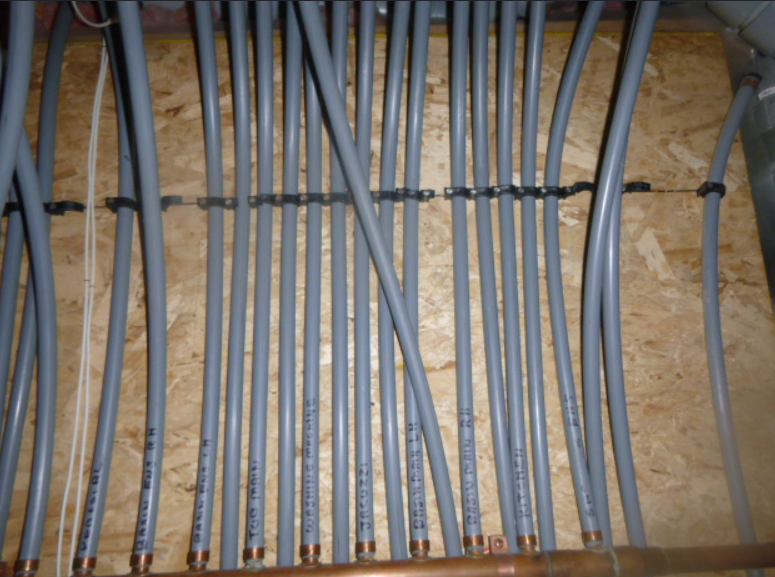
Poly B piping at the homes plumbing manifold.
Polybutylene, commonly called Poly-B, is grey plastic water-supply piping found in many homes built during the 1990s. Over time, the material can deteriorate and become prone to cracking or leaking, potentially causing significant water damage.
Poly-B is a major insurance concern in Edmonton. Very few home insurance companies are willing to insure homes containing this piping, making replacement an important consideration for buyers.
Often, repairing the drywall once the Poly B has been replaced can be just as expensive.
4. Older Hot Water Tanks: Typically 10–12 Years Old
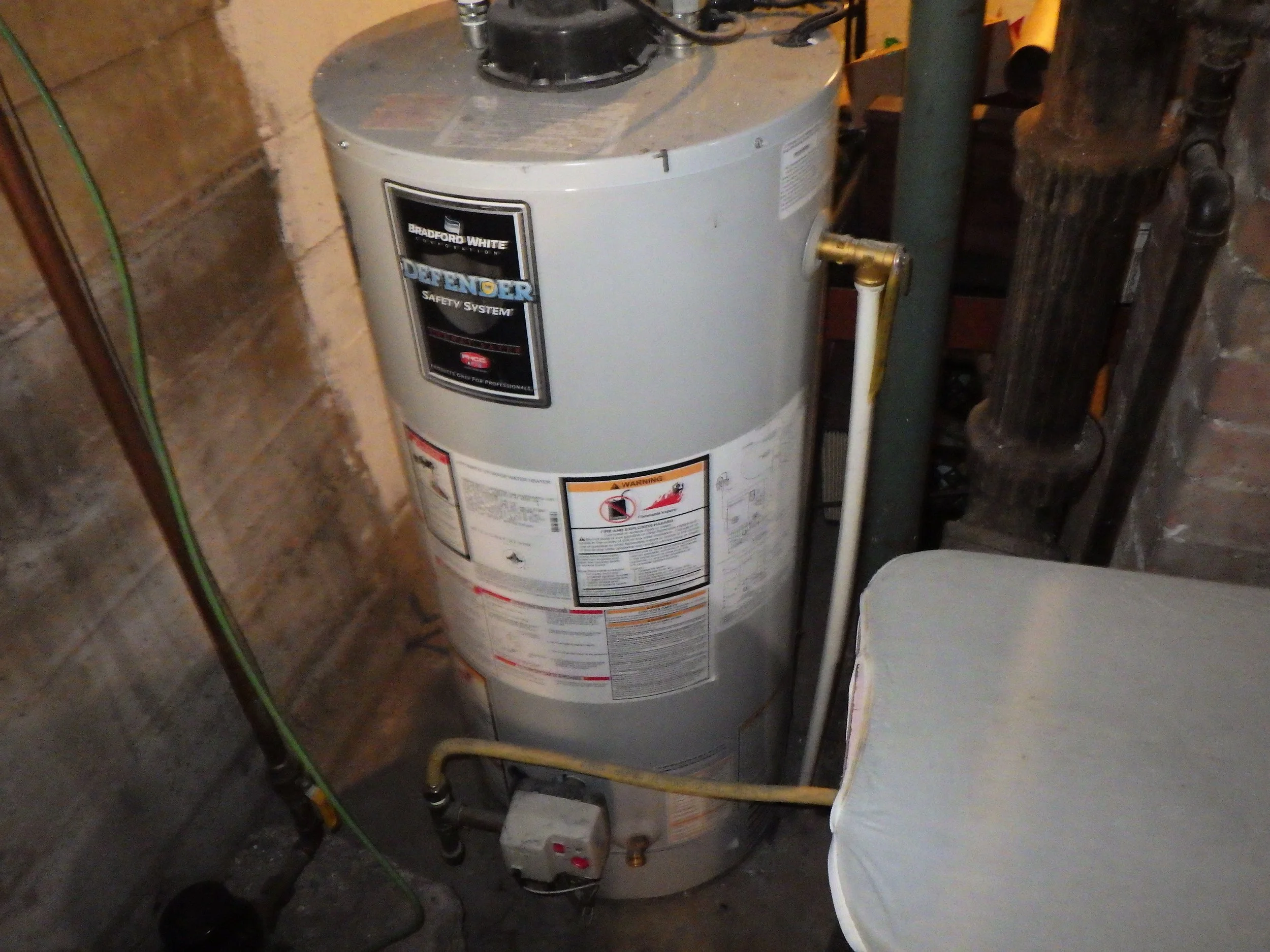
Many 20+ year old tanks look exactly the same as modern versions.
Conventional hot water tanks generally last around 8–12 years. As they age, the risk of leakage and failure increases.
Many insurers now require older tanks to be replaced once they reach a specified age. Checking the age of the tank can be done by referencing the serial number, though this differs between manufacturers and is sometimes not easily done.
5. Roofs Nearing the End of Their Service Life
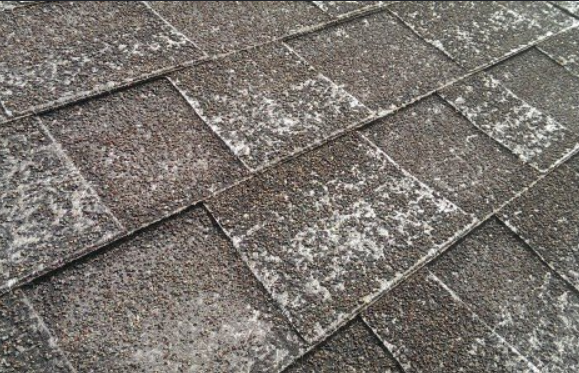
Major granular loss on shingles can be very difficult to see from the ground.
An aging roof can make obtaining insurance more difficult, with some insurers requiring replacement or restricting coverage.
From the ground, look for curling shingles, significant granule loss, or visibly deteriorated roofing materials. These can indicate that the roof may need replacement soon. Since not all roof surfaces are visible from the ground, it can be very difficult to properly assess without the use of a ladder or a drone.
Before You Buy
Insurance requirements vary, so always confirm insurability by contacting your provider. A home inspection can help identify potential concerns before they become unexpected expenses and provides you with the answers that your insurance company will ask.
As always, feel free to give me a call or shoot me a text/email if you have any questions!
Zach Pentyliuk
780-777-6204
zachpentyliuk@gmail.com