Pre-Listing Inspection in Edmonton

Why Pre-Listing Inspections Are Becoming More Common

A big thanks to everyone that has been getting pre-listing inspections! I am certainly doing a lot more of them these days, and the trend is seeming to continue upwards.

The main advantage is simple: no surprises.

When a seller already knows the condition of their home, it avoids that awkward moment during a buyer’s inspection when everyone is standing in the basement staring at something unexpected.

Sometimes sellers decide to fix a few small things ahead of time, and sometimes they just prefer to know what might come up so they can price or negotiate accordingly.

Personally, I see a couple different approaches to this:

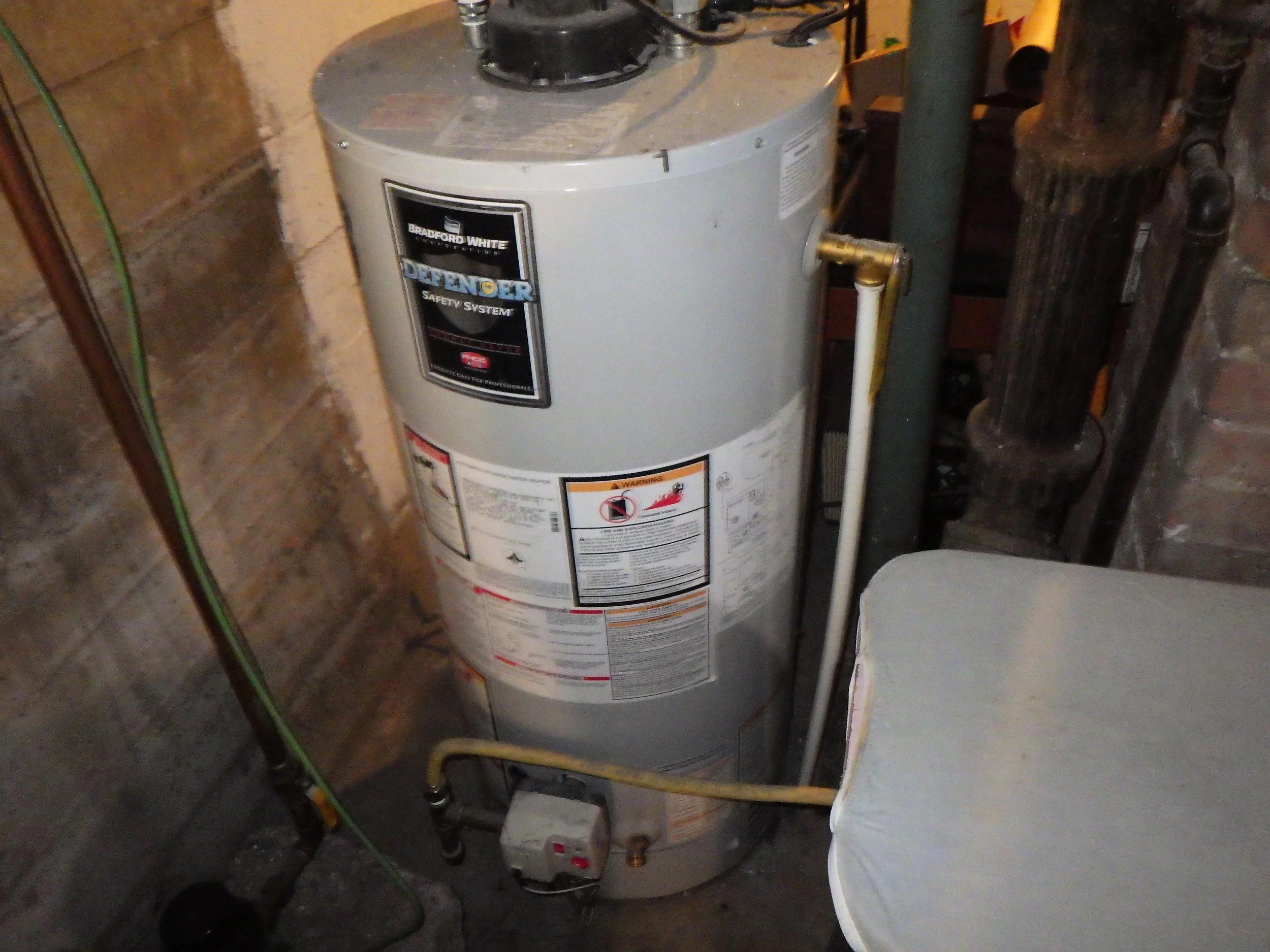
Some sellers choose to do a full pre-listing inspection, while if the realtors paying they usually prefer a simple one-page overview outlining the age of the major systems in the home so they have a clearer picture of what buyers are likely to ask about.

Either way, having a little more information upfront tends to make the entire process smoother for everyone involved.

New Home Inspections

New Homes Aren’t Always Perfect

Never do I pay for myself more than on a new construction home. Even on the nicest home built by the best builder, it doesn’t take much to justify my inspection fee once everything is said and done.

Modern homes are often built on tight timelines, and when dozens of trades are working on a house in a short period of time, small things sometimes get overlooked. Most of the time these issues are minor, but occasionally they can turn into expensive problems if they aren’t caught early.

  • Last week I did a home built by one of the bigger builders in Edmonton that was completely missing insulation in the attic, and had damaged floor joists in the basement! The site supervisor was furious (and clearly embarrassed) that these didn’t get caught sooner. Everything got put on the builders to-do list right away.

  • 2 years ago I did an inspection in Belgravia where they had forgoten to use the tie-down straps to attach the home to the foundation… The house ended up having so many severe issues that it ended up getting torn down a couple of months later (Yes, literally torn down back to the foundation…)

While the majority of deficiencies I find in new homes are minor, none of them are things buyers expect to see in a brand new home, but they are more common than people realize—especially with smaller builders working on tight timelines.

Most of the time they are easy fixes. The important part is simply catching them early while warranty coverage is still in place.

A Guide to the Alberta New Home Warranty

The Alberta New Home Warranty Program is a legislation designed to provide peace of mind for new homebuyers and ensure builders uphold construction quality standards. Since the introduction of the New Home Buyer Protection Act in 2014, all newly built homes in Alberta must include a mandatory warranty that meets or exceeds minimum coverage terms. For home buyers, understanding the structure and implications of this warranty is vital in going through a new home purchase and having accurate expectations. The warranty is dictated by the Construction Performance Guide, but we will just call it the New Home Warranty Guide!

The 1-2-5-10 model.

One year for materials and labor, two years for delivery and distribution systems (such as plumbing, electrical, and HVAC), five years for the building envelope (including the roof and exterior walls), and ten years for structural integrity (such as foundations and load-bearing walls).

For example, a homeowner noticing cracking in drywall during the first year is eligible for a warranty claim, but a homeowner finding a bowing floor board at 13 months after possession might be left out to dry.

Not all Builders Offer the Same Level of Warranty Service

While many builders are fast acting and quick to service the home when a new owner finds a deficiency (like at a home inspection), others are not (not a big surprise to those in the industry). My role that I play as a home inspector with new home warranty knowledge is to keep an open line of communication with the owner and offer continued support so that their home is in perfect condition by the time the warranty expires. It is not uncommon for me to have 10 to 20 email exchanges with the owner and/or builder to get issues resolved. These emails often require me to back up my findings with code references or snap shots from the warranty guide itself.

So, what does the New Home Warranty Guide Look Like?

It is a 340 page document that covers most obvious problems a new home can have. From basics such as drywall cracks, flooring issues, and grade tolerances to what type of foundation cracks require repair and what type of rock a window well should be filled with. It is a fantastic resource that comes in very handy when a builder needs to be held accountable.

If you are at all like me and like to nerd out on 340 page technical documents, here is the link so you can cruise through it! New Home Warranty Guide

For Realtors:

From a realtor's perspective, it's important to emphasize that not all builders offer the same level of service and warranty. While the minimum terms are standardized by law, some builders enroll with third-party warranty providers like the Alberta New Home Warranty Program and offer extended or enhanced protection beyond what the legislation requires. Realtors should also be aware that coverage begins at substantial completion, occupancy, or transfer of possession—whichever comes first—so resale of a new home within the first ten years often includes remaining coverage, which can be a strong selling point.

As always, feel free to give me a call or shoot me an email if you have any questions!

Zach Pentyliuk

780-777-6204

zachpentyliuk@gmail.com

EIFS problems in Edmonton

Why Care About EIFS?

If you have ever walked out of your house, chances are you[‘ve seen a home with EIFS installed on the exterior. The aim of this post is to show why this stuff can be so scary!

When EIFS is properly installed it should cost about the same as Hardy Board, which is a premium product. In the real world most contractors cut the cost of installation and can get the price down to less than half without sacrificing the cosmetic appearance. By doing this, the corners they cut can lead to significant problems as I will outline below.

What is EIFS?

EIFS (Exterior Insulation and Finish System) is a type of synthetic stucco used as an exterior wall covering. It consists of multiple layers, including insulation, a base coat, and a finish coat, providing both insulation and a decorative surface. EIFS is very common, you see it every day!

What are the problems with EIFS in Edmonton?

Improper installation of EIFS (Exterior Insulation and Finish System) stucco can cause serious problems for homeowners, often leading to costly repairs and long-term structural damage. One of the primary risks is moisture infiltration. When EIFS is not installed correctly, it can trap water behind the wall, creating a perfect environment for mold, mildew, and wood rot to develop. Over time, this trapped moisture can damage the home's framing, siding, and insulation, weakening the structure and potentially causing health issues due to mold exposure.

This only way to fix the problem is by completely removing the EIFS, repairing the damages, and installing new siding.

Another common issue arises from improper sealing around windows, doors, and other penetrations. If these areas aren't properly flashed and sealed, water can easily seep behind the EIFS system, where it can remain undetected for years. This can lead to extensive water damage, which may not be immediately visible but can cause significant damage over time, affecting both the home's structure and the interior living spaces.

Why is this such a difficult thing to find?

When issues like this are actively occurring, the signs on the surface of the stucco can be very minimal or even not existent which is why it has to be taken so seriously. These issues are extremely common, and there are massive law suites happening every day over them. There are multiple companies in the city who only deal with EIFS litigation, which I hope emphasizes the issue. In some parts of the world, you are no longer even allowed to install it due to its problematic nature.

Below are some of the more obvious signs of major failure.

If you ever have any questions about the EIFS on your house, or a house you are looking at please do not hesitate to give me a call! A short conversation never hurts.

Zach Pentyliuk

780-777-6204

zachpentyliuk@gmail.com